
Rescue Dog Training Guide: Helping Your Second-Chance Dog Thrive on the Northern Beaches
What to Know About Your Rescue Dog’s Background
Rescue dogs often come with a story. Some are filled with neglect, fear, or uncertainty. Understanding that background is the first step toward helping your new companion settle in. Many rescue dogs have learned survival habits that may look like “bad behaviour”, but they’re usually coping mechanisms from their past.
If your dog shows signs of anxiety, resource guarding, or sensitivity to touch, it’s not defiance. It’s trauma. A professional rescue dog trainer can help you interpret these behaviours and build trust through patience and consistency.
Tip: Observe your dog’s triggers and body language. Knowing what makes them uncomfortable helps you avoid setbacks.
How to Settle a Rescue Dog in the First 30 Days
The first month sets the tone for your rescue dog’s future. Keep things calm, consistent, and structured. Avoid overwhelming your dog with too many new experiences or people at once.
Week 1-2:
Focus on building trust. Stick to a simple routine with the same feeding times, same walking route, and a quiet resting space.
Week 3-4:
Begin gentle training and short exposure to new environments. Always reward calm behaviour and avoid punishment-based corrections.
If you live around the Northern Beaches, take advantage of quieter early-morning walks along Narrabeen, Collaroy or Curl Curl before the crowds arrive. These relaxed outings help your dog explore safely while bonding with you.
Common Behavioural Challenges in Rescue Dogs
Rescue dogs may face different hurdles than puppies or rehomed pets. Common behavioural challenges include:
Separation anxiety
Fear of strangers or loud noises
Reactivity to other dogs
Lack of socialisation
House-training regression
Working with a trainer experienced in dog rehabilitation training makes a huge difference. They understand how to balance compassion with structure while rebuilding your dog’s confidence and addressing problem behaviours.
At Wagging School’s Rehabilitation Training Program, Floss tailors every session to your dog’s emotional and behavioural needs, whether they’re fearful, reactive, or shut down.
Reward-Based Training for Traumatised Dogs
Positive reinforcement is key when training a rescue dog. Harsh corrections can easily trigger fear or regression. Instead, use gentle, reward-based methods to shape good behaviour.
Use treats, praise, and affection to reward calm and desired actions.
Avoid yelling, leash jerks, or intimidation.
Consistency and patience matter more than speed. Remember, trust takes time and every small win is worth celebrating.
If your rescue has trauma from previous mistreatment, a professional rescue dog trainer can design a plan that prioritises emotional healing over obedience drills.
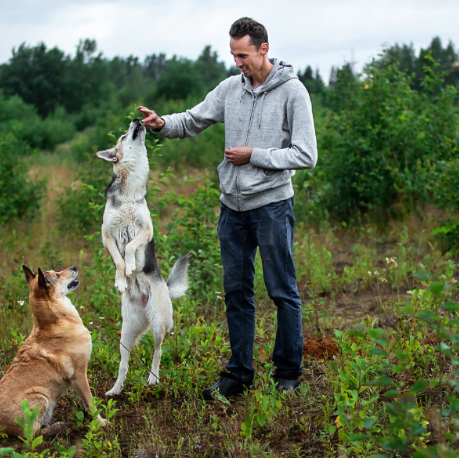
How to Socialise a Rescue Dog Safely
Socialisation for rescue dogs should always be gradual and controlled. Avoid busy dog parks at first. Instead, introduce your dog to calm, well-socialised dogs in a safe environment.
Try short, positive sessions in quiet areas like Manly Lagoon Park or North Curl Curl Beach. Always keep your dog leashed until you’re confident in their recall and comfort level.
Structured dog rehabilitation training can also help your rescue dog learn how to interact safely with both people and pets.
Where to Find Rescue Dog Training on the Northern Beaches
Every rescue dog deserves a chance to feel safe, confident, and loved. With the right guidance, structure, and professional support, your second-chance dog can blossom into a happy, well-adjusted companion.
Help your rescue dog rebuild trust and confidence with Wagging School’s proven rehabilitation training. It’s a trusted program helping Northern Beaches rescue dogs rebuild confidence and trust through reward-based methods. Contact us today at 0421 752 696 or florencewood.93@gmail.com.
Frequently Asked Questions
1. How long does it take to train a rescue dog?
It varies based on their background and confidence level. Some dogs adjust within weeks, while others may take months of consistent positive training.
2. Can older rescue dogs still be trained?
Absolutely. Dogs of any age can learn new behaviours when training focuses on trust and positive reinforcement.
3. What if my rescue dog is scared of other dogs?
A professional dog rehabilitation trainer can help with desensitisation and gradual social exposure to reduce reactivity safely.
4. Should I crate train my rescue dog?
Crates can be useful if introduced properly. Make it a safe den, never a place of punishment.
