
First-Time Puppy Owner? Here’s Why Behaviour Training Should Be Your Priority
If you’re a first-time puppy owner, you’re probably asking yourself: when should training actually start, and what should I focus on first?
The answer is simple. Start immediately, and focus on behaviour before tricks.
Puppy behaviour training shapes how your dog responds to people, environments and everyday life. In the first few months, puppies learn quickly. If we don’t guide them, they create their own rules. Starting early prevents frustration later.

Why Is Puppy Behaviour Training So Important in the Early Months?
The first stage of a puppy’s life is a major learning window. Experiences during this time influence confidence, stress levels and behaviour patterns long-term. This is the real puppy training importance.
Without structure, common behaviours can escalate:
Jumping on visitors
Nipping hands and clothing
Barking at noises
Pulling on the lead
Toileting accidents
These are normal developmental behaviours. But without consistent training for first-time puppy owners, they can become habits that are harder to change later.
What Does Puppy Behaviour Training Actually Involve?
Puppy behaviour training is not about teaching tricks. It is about teaching life skills.
It focuses on:
Calm greetings
Lead manners
Reliable recall
Emotional regulation
Confidence around people and other dogs
Understanding boundaries in the home
It builds communication between you and your dog so your puppy understands what earns rewards and what does not.
Wagging School uses reward marker training and positive reinforcement methods, helping owners clearly guide behaviour using food, toys, praise and structured routines through their structured puppy behaviour training programs on Sydney’s Northern Beaches.
What Should I Teach My Puppy First?
When you bring a puppy home, it’s tempting to start with tricks like sit or shake. But the most important behaviours to teach first are the ones that affect your daily life.
Think about what is going to cause stress if it is not managed early - toileting accidents, biting, jumping on guests, barking at noises, pulling on the lead.
Start with foundations that create calm structure inside the home. Focus on house training, bite inhibition, recall foundations and simple obedience cues that improve safety. These early lessons shape how your puppy behaves in every environment later on. If you build consistency now, you prevent confusion later.
How Do I Approach House-Training Puppies?
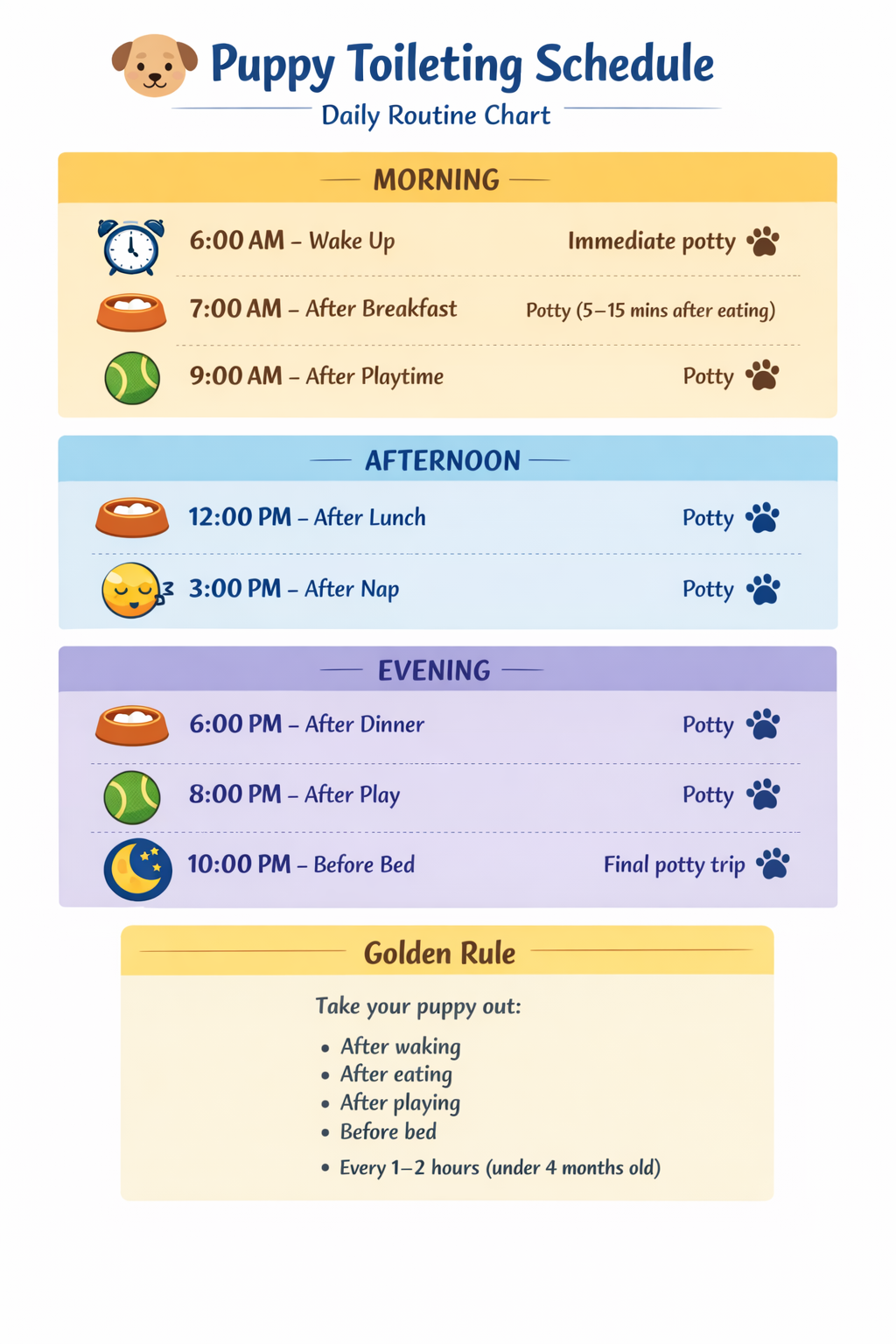
House-training puppies is mostly about timing, supervision and routine. Puppies do not naturally understand where to toilet. They learn by repetition and clear reinforcement.
To make house training smoother:
Take your puppy outside immediately after sleep, meals and play
Use one consistent cue word so they associate the behaviour with the word
Reward immediately after correct toileting so they connect the action with the reward
Limit freedom indoors until reliability improves
Most accidents happen when puppies are given too much unsupervised space too soon. Gradually increasing access as reliability improves helps build long-term success.
How Do I Manage Biting and Chewing?
Chewing is normal and necessary for teething puppies. It helps relieve discomfort and supports natural exploration of their environment.
Instead of correcting harshly:
Provide appropriate chew toys
Redirect immediately from hands or furniture
Reward when your puppy chooses the correct item
Consistency matters here. Every time your puppy bites skin or clothing, calmly redirect to a toy so they learn what is acceptable. Teaching bite inhibition early prevents ongoing nipping issues and helps your puppy develop better impulse control as they mature.
What Are the Most Important Puppy Obedience Basics?
Puppy obedience basics that matter most for safety and structure include:
Sit for greetings
Recall foundations
Loose lead walking
Leave it
Drop it
Wait at doors
These skills reduce chaos and improve communication. They also increase safety, especially recall and leave it, which can prevent dangerous situations near roads or unfamiliar dogs. Building reliability in these basics early makes later training far easier and more enjoyable.
For structured support with these foundations, explore dog obedience training in Sydney.
What Are Effective Puppy Socialisation Tips?
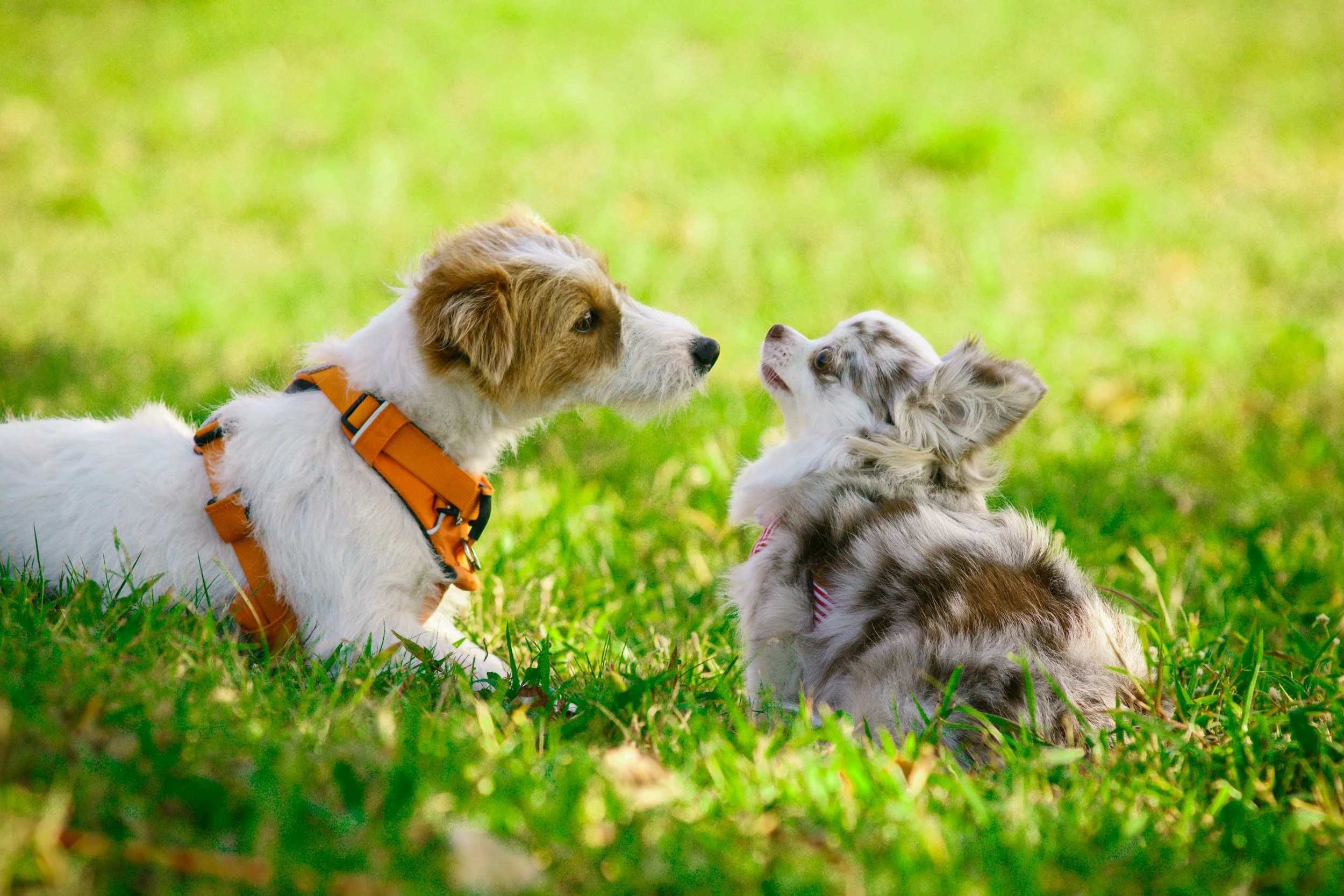
Puppy socialisation tips should focus on calm, positive exposure rather than overwhelming experiences.
Effective socialisation includes:
Controlled introductions to friendly, vaccinated dogs
Exposure to different surfaces and everyday sounds
Short visits to parks, footpaths and neighbourhood environments
Gentle handling exercises to prepare for grooming and vet visits
The goal is to build confidence, not force interaction. Gradual exposure paired with positive reinforcement helps prevent fear-based behaviours later in life.
What Are the Most Common Puppy Behaviour Problems?
Common puppy behaviour problems include:
Jumping Up
Teaching sit for greetings replaces the behaviour with a calmer option.
Excessive Barking
Identifying triggers and rewarding quiet behaviour reduces reinforcement of barking.
Pulling on the Lead
Start practising in low-distraction areas and reward a loose lead position.
Fear or Anxiety
Slow, positive exposure builds confidence over time.
Early puppy behaviour training prevents these behaviours becoming ingrained habits.
What Are the Professional Puppy Training Benefits?
Professional puppy training benefits go beyond learning commands.
They include:
Reading canine body language accurately
Structured progression plans
Controlled socialisation environments
Real-time feedback to improve owner timing
First-time owners often improve faster with guided support. Wagging School’s experienced trainers work with you and your puppy to build positive behaviour using reward-based methods and clear structure across Sydney’s Northern Beaches. Contact Wagging School for puppy training support.
How Do I Choose the Right Puppy Training Approach?
Training methods matter.
Modern behaviour science supports reward-based training approaches that reinforce behaviours you want to see more of, rather than relying on fear, pain or intimidation. Methods that build trust and clarity tend to produce more reliable long-term results.
Positive dog training strengthens communication and encourages confident decision-making in your puppy.
Group classes may suit confident puppies who benefit from structured social interaction. One-on-one sessions can better support shy or reactive puppies who need a quieter environment. A professional trainer can guide you based on your puppy’s temperament and your goals.
Simple Training Tips for First-Time Puppy Owners
Keep sessions short (1–3 minutes)
Practise multiple times per day
Use consistent cues across all family members
Reward calm behaviour regularly
Increase difficulty gradually
Consistency is more important than duration.
Frequently Asked Questions About Puppy Behaviour Training
When Should Puppy Training Start?
Puppy training should begin from the first day your puppy arrives home. You do not need to wait for formal classes to begin building structure. Simple routines like toileting schedules, calm greetings, name recognition and short recall games can start immediately. Early consistency helps your puppy understand expectations quickly and prevents confusion during the adjustment period.
How Long Should Training Sessions Be?
Short sessions are far more effective than long ones. For young puppies, 1–3 minutes at a time is ideal, repeated several times throughout the day. Puppies have short attention spans, so frequent, positive repetitions work better than extended sessions. Training can also be woven into everyday life — asking for a sit before meals, waiting at doors, or rewarding calm behaviour around guests.
Can I Train My Puppy Myself?
Many owners can successfully teach the basics at home with consistency and patience. However, professional support can speed up progress and help prevent common mistakes, particularly around timing, reinforcement and reading body language. For first-time puppy owners, guided training often builds confidence just as much as it builds behaviour skills in the dog.
What If My Puppy Is Shy or Nervous?
Shy puppies need gradual, positive exposure to new people, dogs and environments. Forcing interaction can increase fear, so it is important to move at your puppy’s pace. Structured socialisation paired with positive reinforcement helps build resilience and confidence over time. Professional guidance can be especially helpful in creating a safe progression plan.
Start Early and Build the Right Foundations
Puppy behaviour training creates calmer homes, confident dogs and stronger relationships. If you are a first-time puppy owner on Sydney’s Northern Beaches, beginning early reduces stress later.
Call Wagging School today at 0421 752 696, or book your first session online.
