
Why Your Puppy Bites Everything (And How to Stop It)
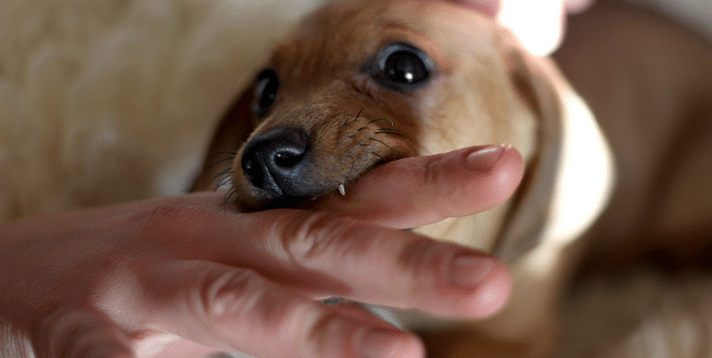
If your puppy is biting your hands, clothes or furniture, you’re definitely not alone. Puppy biting is one of the most common challenges new dog owners face, and it can quickly become frustrating or overwhelming.The good news is that this behaviour is completely normal. Puppies explore the world with their mouths, and with the right puppy training and guidance, you can teach them what is appropriate to bite and what is not.
Understanding Puppy Biting Behaviour
Puppy biting is often misunderstood as aggression, but in most cases, it is simply part of normal development. Young dogs use their mouths to explore, play and learn boundaries.
Many new puppy owners across the Northern Beaches notice this behaviour within the first few weeks at home. It is part of how puppies interact with their environment and communicate during play.
Key points to understand:
Puppy biting behaviour is normal and expected
Puppies learn bite control through interaction
Early guidance helps shape long-term behaviour
A common question we hear from new puppy owners is whether biting means their dog is aggressive. In most cases, the answer is no. It is simply a learning phase.
Why Do Puppies Bite So Much?
Puppies bite because they explore the world with their mouths, are going through teething, and are learning how to play appropriately.
Let’s explore each reason more closely,
Teething
Between 3 and 6 months of age, puppies go through a teething phase. Chewing and biting help relieve discomfort as adult teeth come through.
Play Behaviour
Puppies naturally bite during play. This is how they interact with their littermates, learning what is too hard and what is acceptable.
Overstimulation
Overtired or overly excited puppies often become more bitey. This is especially common in busy households or after high-energy play sessions.
Lack of Guidance
Without clear boundaries, puppies do not know what they are allowed to bite. Consistent training is essential to teach appropriate behaviour.
How to Stop Puppy Biting
Stopping puppy biting requires consistency, patience and the right approach. Professional dog trainers often recommend simple, repeatable strategies.
1. Redirect to Toys
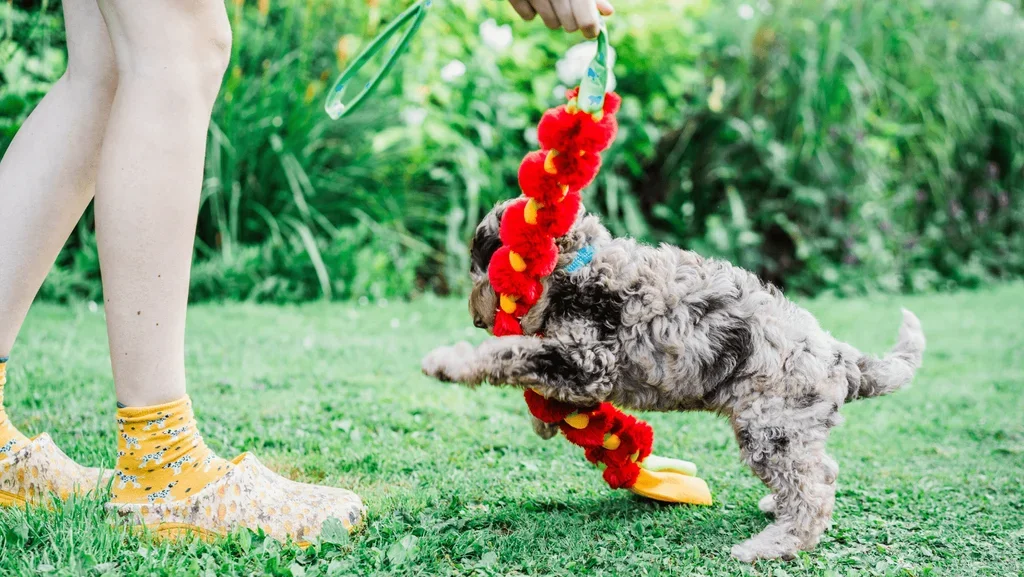
Always have chew toys available and swap your hands or clothing for a toy when biting starts. This teaches your puppy what is appropriate to chew.
2. Teach Gentle Play
If your puppy bites too hard, calmly stop play. This helps them learn that biting ends the fun.
3. Avoid Rough Play
Games that encourage chasing or grabbing hands can increase puppy biting behaviour. Keeping play calm and structured makes a big difference.
4. Encourage Calm Behaviour
Reward your puppy when they are relaxed and not biting. Positive reinforcement helps reinforce good habits.
5. Ensure Enough Sleep
Puppies need between 16 and 20 hours of sleep per day. Overtired puppies are much more likely to bite.
By consistently redirecting biting to appropriate chew toys, stopping play when it becomes too rough, and rewarding calm behaviour, your puppy will gradually learn what is acceptable.
What Northern Beaches Puppy Owners Should Know
Training a puppy in the Northern Beaches comes with unique environments and challenges. From beaches to busy parks, puppies are exposed to many distractions.
Many Northern Beaches puppy owners ask how to manage biting in real-world situations like:
Walks around Narrabeen Lagoon
Parks in Mona Vale and Warriewood
These environments can increase excitement and overstimulation, which often leads to more puppy biting. This is why training in real-life settings is so important.
When Should You Get Help for Puppy Biting?
While puppy biting is normal, there are times when professional support can help prevent future issues.
You may want to seek help if:
Puppy biting becomes intense or frequent
Your puppy is biting children
Biting escalates during excitement
You feel unsure how to manage the behaviour
Early guidance can make a significant difference and prevent long-term behavioural problems.
Wagging School’s Puppy Training Approach
At Wagging School Dog Training, the focus is on building clear communication between you and your puppy through reward-based training.
Training is designed to:
Reinforce calm puppy behaviour
Set clear boundaries
Build trust and consistency
Floss Wood brings experience working with rescue dogs and behaviour rehabilitation, which helps her understand a wide range of puppy behaviours.
Puppy training sessions often take place in:
Your home environment
Local parks across the Northern Beaches
Real-life situations where behaviour actually happens
This approach ensures your puppy learns how to behave in the same environments where challenges actually occur, making training more practical, effective and long-lasting.
Final Thoughts
Puppy biting is a normal part of growing up, but it does not have to become a long-term problem. With consistent training, clear boundaries and the right support, your puppy can learn appropriate behaviour quickly.
Many Northern Beaches puppy owners go through this stage, and with the right approach, it becomes a valuable learning opportunity for both you and your dog.
If you’re finding puppy biting difficult to manage on your own, you don’t have to figure it out alone. Wagging School Dog Training offers personalised, practical support to help you build better habits early and create a calmer, more confident puppy.
Contact us today to discuss your puppy’s behaviour or book now to get started with a tailored training session.
FAQ: Puppy Biting
-
Puppies bite hands during play and exploration. It is a normal behaviour, especially during teething.
-
Most puppies begin to reduce biting between 5 and 7 months of age with consistent training.
-
No. Puppy biting behaviour is usually part of normal development, not aggression.
-
Redirect to toys and stop play when biting becomes too hard to teach boundaries.
-
No. Punishment can create fear and confusion. Positive reinforcement and redirection are more effective.